
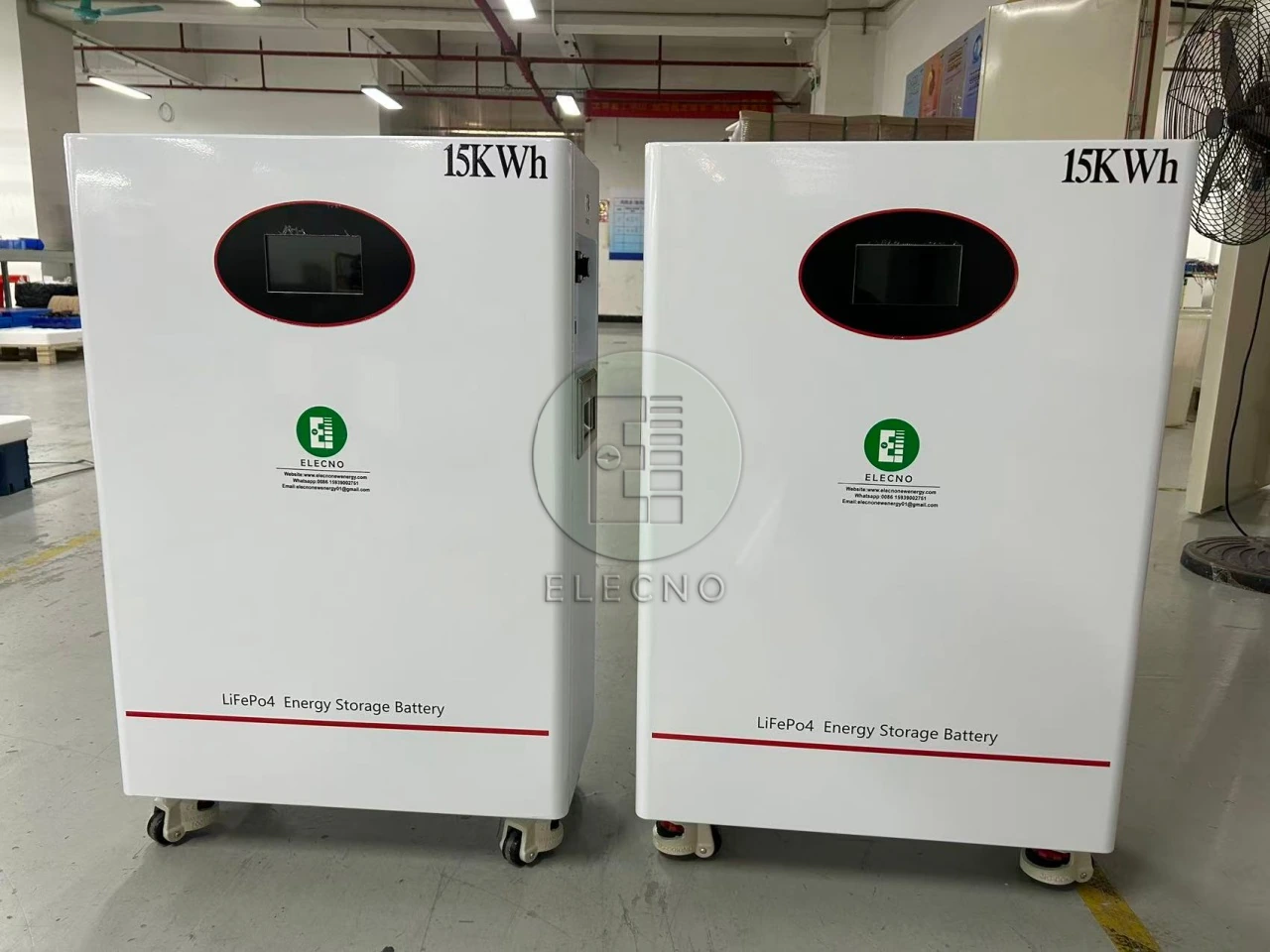
A home backup battery should be sized from essential-load energy and target outage hours, not the number of rooms. Available charge, the permitted discharge window and system losses affect runtime; output power must be checked separately.
Two homes with the same battery capacity can have very different backup durations. One may keep only lights, a router and a fan running, while the other also runs a pump and air conditioning. The useful starting point is therefore a defined backup load—not a universal promise that a battery will power a house for a certain number of hours.
Essential Loads and Backup Hours
List the circuits and appliances that must remain available during an outage. For each one, record its measured or carefully estimated consumption and the required operating time. A daily electricity bill total alone does not show which loads will run during the selected backup period.
| Selected load | Assumed power | Time | Energy |
|---|---|---|---|
| Lighting | 40W | 6 hours | 0.24kWh |
| Router | 15W | 6 hours | 0.09kWh |
| Fan | 60W | 6 hours | 0.36kWh |
| Laptop load | 65W | 6 hours | 0.39kWh |
| Total | 180W | 6 hours | 1.08kWh |
Each row uses watts × hours ÷ 1,000. Refrigerators, pumps and air conditioners are deliberately excluded from this example: their operating patterns and starting requirements need their own assessment. For cycling equipment, use an appropriate measured energy total rather than treating its nameplate power as a constant six-hour load.
Nominal Capacity and Available Energy
The Australian Government energy glossary distinguishes energy capacity in kWh from power in kW. Neither a nominal capacity label nor a product photograph states how much AC energy will be available during a particular outage.
A simplified planning calculation is: required nominal battery energy ≈ AC load energy ÷ (available battery fraction × conversion efficiency). The available fraction must reflect the charge at the start of the outage and the permitted lower limit; it is not automatically the product’s maximum discharge allowance.
Using an assumed available fraction of 80% and conversion efficiency of 90%, the six-hour schedule above requires 1.08 ÷ (0.80 × 0.90) = 1.50kWh of nominal battery energy in this simplified model. Those percentages are teaching assumptions, not ELECNO specifications. Standby consumption, auxiliary loads, aging and temperature effects are omitted, so this is not a final equipment recommendation.
The Effect of Backup Reserve
Consider an illustrative 10kWh battery with a 20% lower reserve limit. If the outage starts at 100% charge, the available fraction in a simple energy model is 80%. At the assumed 90% conversion efficiency, that gives 7.2kWh at the AC-load side. A constant 1kW load would therefore have an estimated 7.2 hours of runtime before accounting for the omitted factors.
If the same outage begins at 60% charge, only 40% of nominal energy lies above that 20% reserve. Under the same assumptions, available AC energy falls to 3.6kWh and estimated runtime to 3.6 hours. The battery label has not changed; the starting condition has.
These figures demonstrate a reserve-policy decision, not observed customer performance. Obtain the usable-energy definition and reserve settings for the proposed system before translating a percentage into a promised backup duration.
Running Power and Starting Demand
An energy calculation can pass while the power requirement fails. If several appliances operate at once, their combined running demand must fit the documented battery and inverter limits. Motors and compressors may also require a separate starting-demand assessment.
For a larger illustrative load averaging 2kW over eight hours, required AC energy is 16kWh. With the same 80% available fraction and 90% efficiency assumptions, nominal energy would be approximately 22.22kWh. That number answers only the simplified energy question: it does not approve any battery model, inverter or surge capability.
Read Battery–Inverter Compatibility: Why Matching Voltage Is Not Enough for the separate voltage, current and communication checks.
Recharge and Site Conditions
A backup plan also needs a recharge plan. If solar is expected to replenish the battery during an outage, confirm the equipment’s supported outage operation and estimate generation for the actual site and season. Do not count on uninterrupted sunlight throughout the target backup period.
Give the installer the load schedule, target hours, desired reserve, relevant motor loads, existing inverter model and intended charging sources. Ask for a proposal that states usable energy, output limits and its calculation assumptions. Electrical design and installation should be handled by qualified personnel using the applicable equipment manuals and local requirements.
Related Home Battery Products
Compare documented configurations after defining the load requirement. Enclosure choice and future expansion matter too, but neither replaces the energy and power checks.
 Wall-mounted batteriesReview the available configurations →
 Stacked batteriesCompare complete battery configurations →
For space planning, see Wall-Mounted vs. Stackable Batteries: What Changes on Site?. To discuss sizing, send ELECNO your load schedule and target backup hours.
Reference reviewed October 14, 2026: Australian Government Solar Consumer Guide, Glossary. All load ratings, operating hours, reserve percentages and efficiency factors above are illustrative assumptions. Photographs show equipment preparation, not measured backup performance.