
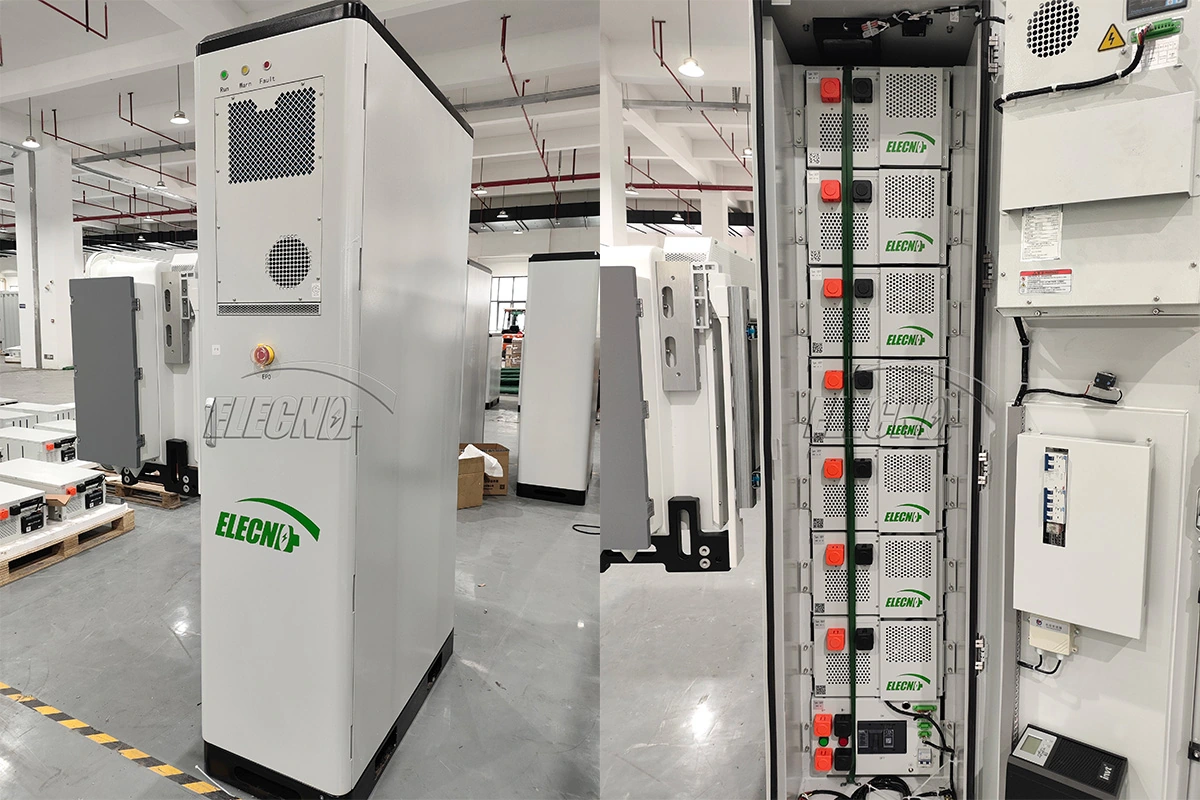
Peak shaving and backup use a battery for different duties. Demand reduction needs a site load profile and dispatch strategy; outage support needs defined critical loads and available reserve. A dual-purpose system must reconcile both before capacity is selected.
A factory may want to reduce selected grid-demand peaks and keep essential equipment running when supply fails. Those goals can share storage equipment, but they do not automatically share the same power requirement, energy budget or acceptance test.
Two Storage Objectives
| Planning question | Peak shaving | Backup power |
|---|---|---|
| What is supported? | A selected reduction in grid demand while supply is available. | Defined critical loads during an outage. |
| What data is needed? | Interval demand records and applicable billing rules. | Load power, target duration and starting requirements. |
| What constrains operation? | Discharge power, available energy and dispatch controls. | Available reserve and the supported outage arrangement. |
| How is success checked? | Demand measurements under agreed conditions. | Backup tests under agreed load and starting conditions. |
“Reduce bills” and “keep production running” are useful goals, but not yet measurable acceptance criteria. Identify the demand period to be reduced and the loads to be retained before requesting a system proposal.
Power and Energy Calculations
For an illustrative peak-shaving duty, reducing demand by 20kW for a continuous half-hour requires 10kWh delivered over that interval: 20 × 0.5. A separate backup duty supplying an average 50kW for two hours requires 100kWh at the load: 50 × 2.
Neither result is the required nominal battery rating. Losses, permitted discharge limits, reserve availability, auxiliary consumption and operating conditions must still be included. Repeated demand events also need a recharge and energy budget, not merely enough energy for one half-hour.
The 112kWh air-cooled cabinet product illustrates why a capacity label is not a runtime guarantee. Applying hypothetical assumptions of an 80% available battery fraction and 90% conversion efficiency to 112kWh gives 80.64kWh at the load before additional consumption. That is below the illustrative 100kWh backup target.
The percentages are teaching assumptions, not specifications or measured performance of that cabinet. This calculation neither approves nor rejects the product for a real project; actual usable energy, output capability and site requirements must be assessed from the issued configuration documents.
Dispatch and Backup Reserve
Demand reduction uses energy that may otherwise be available for an outage. If a battery discharges just before supply fails, its nominal capacity has not changed, but its remaining backup energy has.
Specify the priority between the two objectives. The control plan should identify the minimum reserve, when demand-reduction dispatch stops, how charging is scheduled and what happens when site data or communications are unavailable. The phrase “EMS included” does not state those behaviors.
Maintaining more backup reserve can leave less energy for routine dispatch. The proposal should make that tradeoff visible rather than promising both full daily use and full outage reserve from the same energy allocation.
Outage Operating Arrangement
Grid-connected discharge does not prove that the equipment can supply the intended loads independently during an outage. Confirm the supported system arrangement, external equipment and commissioning scope with the responsible designer.
Critical-load definition matters as much as total plant demand. Decide which equipment must remain supplied, which can stop, and whether motors or process loads create starting requirements. A storage cabinet alone does not establish a transfer or protection design.
Interconnection, isolation and protection require qualified review and applicable local acceptance. This article provides no switching diagram or permission to operate independently of the grid.
Design Targets and Measured Results
The flour mill storage engineering case presents peak shaving, backup power and energy-management goals. Its design targets should not be treated as verified savings or guaranteed results at another plant.
For a new project, agree on baseline demand records, operating assumptions and the evidence to collect after commissioning. Tariff conditions and the plant’s actual operating pattern affect any economic assessment; no savings percentage or payback period is promised here.
The U.S. Department of Energy BESS Procurement Checklist is an early-stage project resource for federal agencies. It provides context for structuring questions, not approval of an ELECNO system or a substitute for the site’s detailed design.
Related Commercial Storage Resources
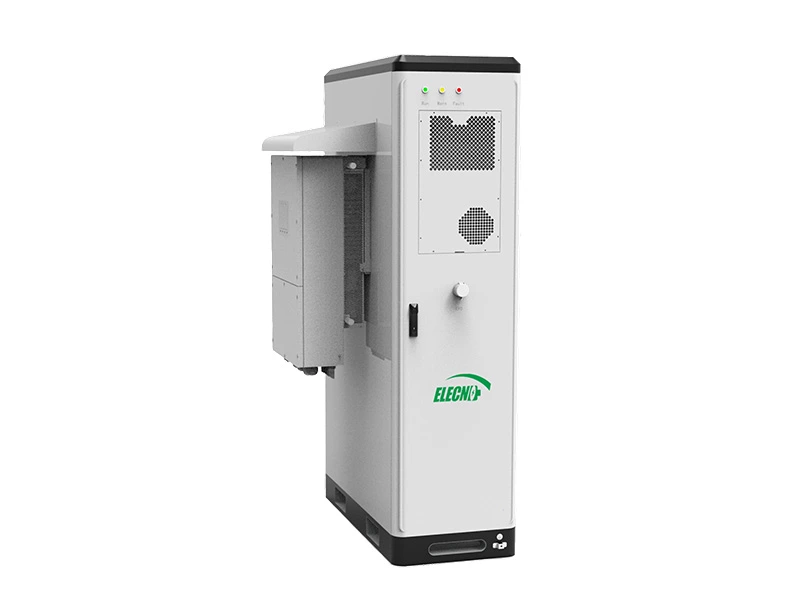 Commercial battery cabinetReview the listed product configuration →
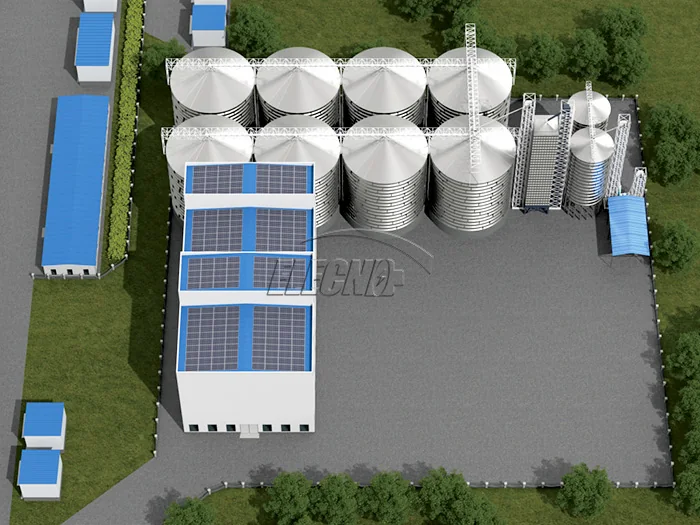 Flour mill engineering caseExplore the stated design objectives →
Provide interval demand data, relevant tariff information, critical loads, target backup hours and the existing solar or generator arrangement. State which duty takes priority, then discuss a commercial storage proposal with ELECNO. For other equipment formats, browse the commercial and industrial storage category.
Sources reviewed October 14, 2026: linked ELECNO cabinet and engineering-case pages, and the U.S. Department of Energy BESS Procurement Checklist. Numerical examples are illustrative calculations, not equipment ratings, performance tests or financial forecasts. The case rendering is a visualization, not an installation photograph.