
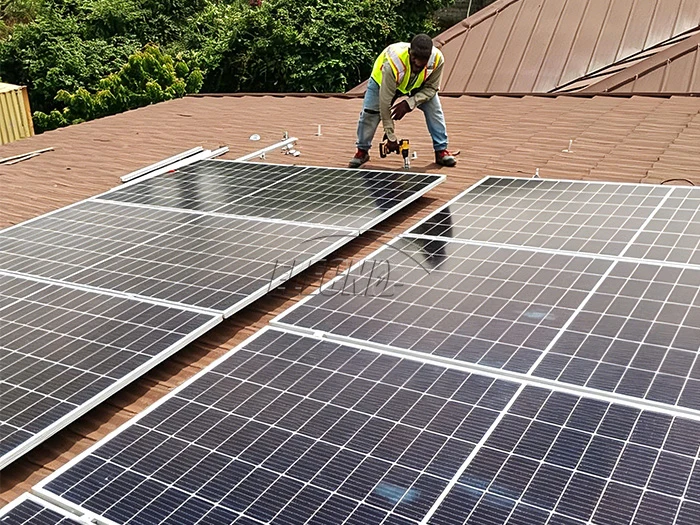
Solar panels generate electricity, inverters provide conversion and specified control functions, and batteries store energy for later use. Their ratings answer different questions: module power, inverter power and battery energy cannot be treated as interchangeable system capacities.
A shipment described as 30kWh of batteries, an 11kW inverter and 16 solar panels contains three different types of information. ELECNO’s documented Ghana order provides a concrete way to read those numbers without turning them into a daily-generation forecast or a backup-duration promise.
Three Ratings, Three Different Meanings
The Ghana battery, inverter and solar-panel shipment case is described in the supplied archive as 30kWh of batteries, an 11kW inverter and 16 panels rated at 620W each.
| Equipment | Stated shipment information | What it does not establish |
|---|---|---|
| PV modules | 16 × 620W = 9,920W, or 9.92kW of summed module nameplate power | Daily kWh generation or an approved string arrangement |
| Inverter | 11kW, as stated in the order archive | All PV-input limits, backup functions or battery compatibility |
| Battery | Two photographed batteries marked 15kWh each; 30kWh stated total | Usable AC energy, guaranteed runtime or combined output power |
The 9.92kW figure is arithmetic from the stated panel count and ratings, not a measurement. Multiplying it by an arbitrary number of hours would not establish the site’s actual solar generation. The case documents equipment preparation and packing, not a commissioned installation.
Generation, Conversion and Storage
PV generation depends on available sunlight and site conditions. An inverter converts the DC electricity generated by PV into AC in the relevant arrangement; equipment may also provide battery-control and other functions when specified. A battery shifts some energy to a later time, with losses and operating limits to consider.
The U.S. Department of Energy’s solar and storage resources distinguish power capacity from stored-energy capacity and explain why solar and storage can complement each other. They do not make an individual battery or PV system capable of every backup or export function.
During a sunny period, a supported system can supply loads and direct available surplus toward charging, subject to its controls and limits. After sunset, stored energy can support loads within the battery and inverter constraints. Neither condition guarantees what happens during a grid outage: that needs a supported backup arrangement.
PV Array and Inverter Inputs
Ask the installer for the selected module datasheet and the proposed array configuration, together with the inverter’s relevant input limits. The design needs to account for voltage, current, operating conditions and the site—not only the summed wattage printed on the modules.
Do not copy a series/parallel layout from a shipment photograph or assume a particular panel count works with any inverter bearing a larger power label. Obtain the configuration approved for the selected equipment and conditions.
Battery Interface and Backup Energy
The battery interface has its own operating-voltage range, charge and discharge constraints and communication requirements. Those checks are separate from PV input suitability. An inverter with suitable PV inputs can still be unsuitable for a particular battery configuration.
Use the battery–inverter compatibility checklist to request exact model and configuration evidence. For backup energy, use the worked battery-sizing examples rather than treating “30kWh” as a universal number of backup hours.
Operating Mode and System Design
Tell the supplier whether the system is intended for self-consumption, backup, off-grid use or a combination. Identify the grid or generator connection, essential loads and any export restrictions. Ask which equipment, controls and external protection are required for that arrangement.
During an outage, PV and battery operation depend on the selected system’s supported functions and installation. The presence of all three components is not proof of outage operation. Confirm the relevant design and commissioning evidence before making a resilience claim.
Keep a single design record with the exact module, inverter and battery models; approved array and battery configurations; required controllers and external equipment; and installation diagrams. The same record should identify commissioning responsibilities and acceptance checks.
A complete proposal explains how the equipment works together. Three separate brochures do not establish that integration.
Related Solar and Storage Products
View the Ghana battery, inverter and PV shipment record → for its original equipment and packing photographs.
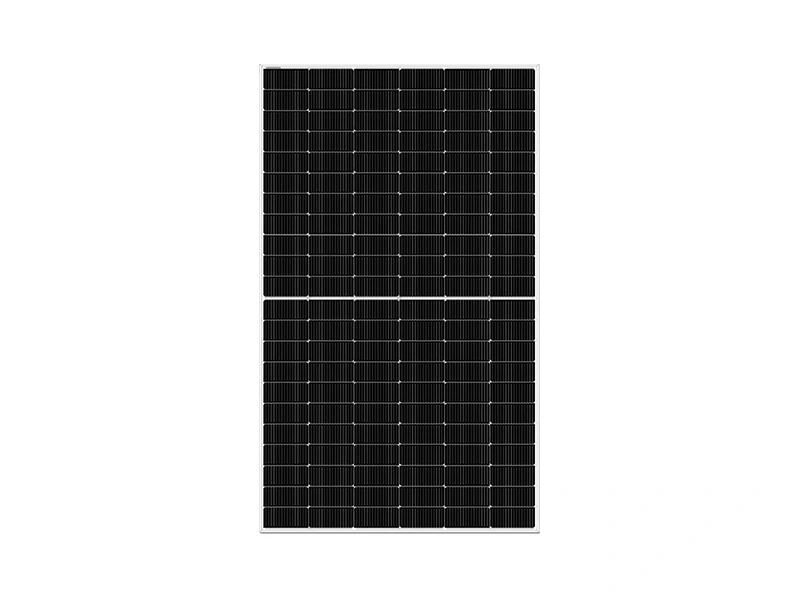 Solar panelsReview module specifications →
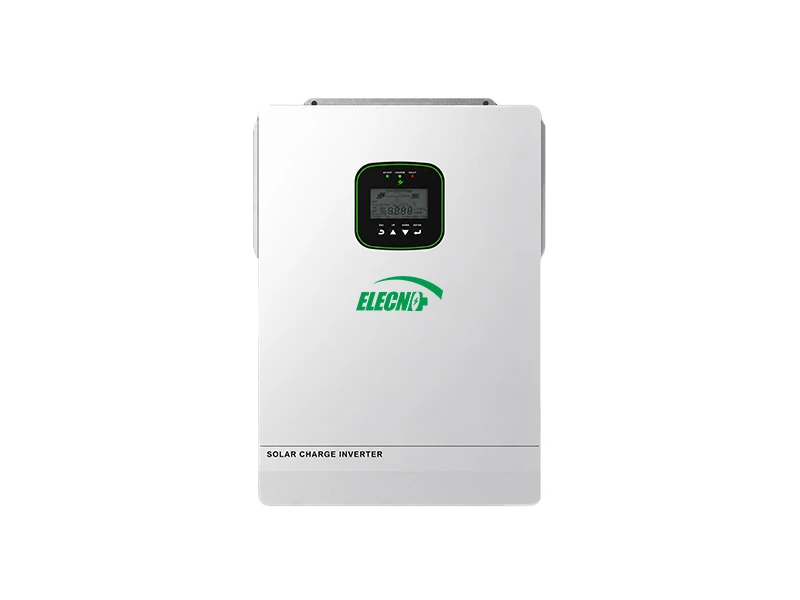 Hybrid invertersReview an inverter configuration →
 Home batteriesCompare battery configurations →
For current product options, explore solar panels, inverters and residential batteries. These links are related product options, not an assertion that they are the exact models supplied in the older case.
Send your loads, site location, existing equipment and operating goals to request a system proposal. Final selection and installation require the issued equipment manuals and qualified design review.
Sources reviewed October 14, 2026: linked ELECNO Ghana shipment record and U.S. Department of Energy Solar Energy and Storage Basics / Solar Systems Integration Basics. The 9.92kW array figure is calculated from the order description, not measured generation. Product links show current catalog options, not an approved matching set or the exact equipment in the older shipment.