

A bulk battery order needs a consistent record from approved specification to receiving inspection. The quotation, sample revision, unit identifiers, packing list and handover documents should describe the same supplied equipment.
Rows of batteries or cartons make a shipment visible, but they cannot answer every order question. For a distributor receiving many units, the practical issue is whether each delivered product can be traced to the agreed model, configuration and support arrangements—not simply whether a factory photograph looks complete.
Two Documented Batch Shipments
ELECNO’s published Colombia cases describe two different batches. Their stated quantities and capacities provide context for order planning, while the photographs document equipment preparation and packing.
| Case record | Stated quantity | Capacity description | Evidence scope |
|---|---|---|---|
| Colombia 16kWh battery shipment | 30 units | 16kWh per unit, as labelled | Equipment, label and wooden-crate preparation photographs. |
| Colombia 5kWh battery shipment | 100 units | 5kWh nominal per unit in the order record | Equipment, assembly detail and carton-packing photographs. |
The quantities are stated in the supplied order records; a single photograph does not independently verify the entire batch. Neither case establishes one connected system’s output power, usable energy or control arrangement. A batch intended for multiple installations is not the same design problem as one coordinated battery energy storage system.
Product Identity and Sample Revision
Identify the exact model, specification revision, intended application and supported inverter arrangement before approving the order. If a sample was accepted, record its revision and any permitted differences in production. Branding, connectors, firmware and accessories should not change silently between the sample and shipment.
For a customized order, the OEM/ODM sample-approval guide separates artwork acceptance from technical acceptance. A front-panel logo does not establish the battery’s electrical configuration or integration support.
Batch Records and Acceptance
Agree on the inspection and documentation scope before production or payment milestones. The record should identify what is being checked, which units or samples it covers, and what remains unresolved. A packing photograph is useful context, not a substitute for the agreed acceptance evidence.
| Order record | What it connects | Question to resolve |
|---|---|---|
| Approved specification | Model and revision to the purchase order. | Is this the agreed product? |
| Unit or batch identifier list | Supplied equipment to relevant inspection records. | Which records belong to these units? |
| Packing list | Product quantities, accessories and packages. | What should arrive together? |
| Acceptance record | Agreed checks to the release decision. | What was accepted, and what is still open? |
| Support handover | Manuals, configuration documents and responsible contacts. | Who handles a discrepancy after delivery? |
This is an order-management framework, not a claim that every document already exists for every ELECNO batch. Specify the required records in the purchase or acceptance agreement.
Packing and Receiving Inspection
List communication leads, brackets, bases and manuals separately rather than assuming they are included with every battery. Compare the package identifiers and quantities with the same approved list used for shipment preparation.
Agree how the receiver will record missing items, visible damage or model discrepancies and whom to contact. Handling, unpacking and any electrical evaluation must follow the applicable instructions, with qualified personnel where required.
The case photographs below illustrate different preparation stages. They do not establish packaging suitability for every route or replace receiving inspection.
 30-unit shipment recordView equipment and crate preparation →
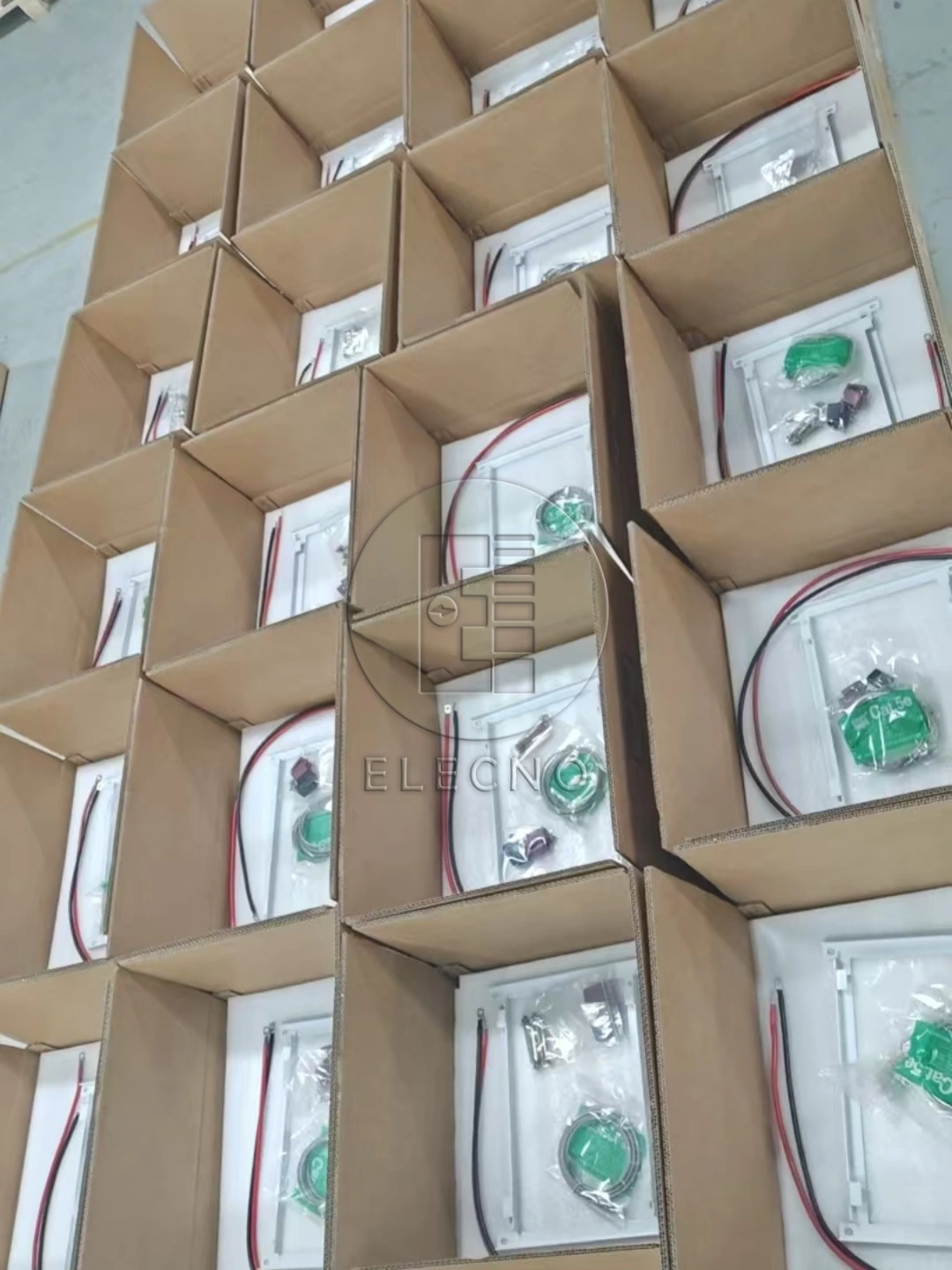 100-unit shipment recordView assembly and carton-packing photos →
Transport Documentation
PHMSA publishes guidance on lithium battery test summaries. For the proposed shipment, request the applicable UN 38.3 test summary and check that the battery description and identifiers relate to the supplied product. An SDS/MSDS should not be treated as a substitute for every required test or transport record.
The actual documentation and carrier requirements depend on the product, transport mode and route. A competent dangerous-goods or logistics professional should confirm them. This article does not authorize a shipment or provide packaging instructions, state-of-charge limits or a complete compliance determination.
Handover and After-Sales Support
Agree on the manuals, configuration records, warranty terms, spare-parts arrangements and support contact before the order is released. Where batteries will work with separately supplied inverters, identify who reviews integration issues and what evidence the installer should preserve.
An advertised service life is not automatically a warranty period. Obtain written conditions before passing promises to downstream customers, and define how unit identifiers, alarms and inspection records will support an investigation.
For independently installed batteries, browse the residential storage products. For one coordinated larger system, request a project-specific proposal from the commercial and industrial ESS range. Send ELECNO the target market, configuration, quantity and required handover records for a bulk-order discussion.
Sources reviewed October 14, 2026: linked ELECNO Colombia shipment records and PHMSA Lithium Battery Test Summaries guidance. Order quantities and capacity descriptions are attributed to the case records; photographs do not demonstrate installed performance or complete transport compliance.