
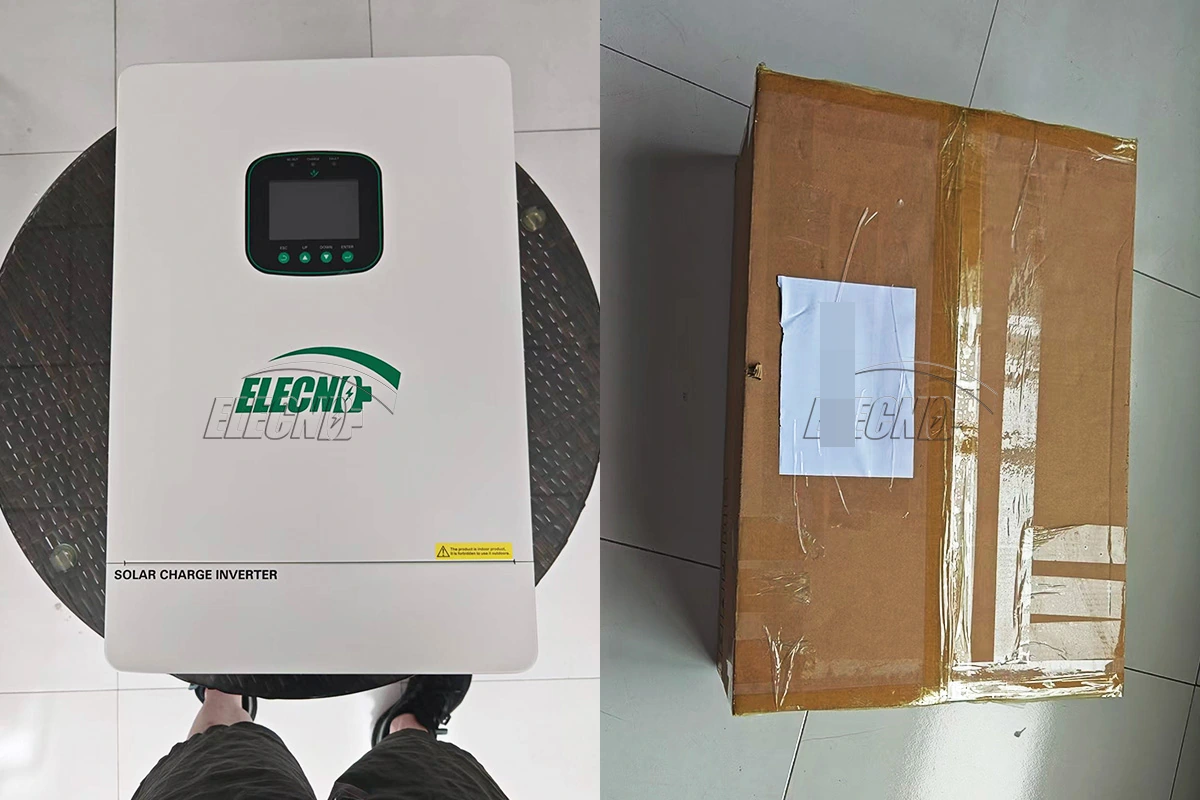
EU and US catalog labels do not fully specify an energy storage inverter. Selection requires the site’s voltage, frequency and phase arrangement, the exact model, required backup functions and applicable acceptance documents.
Two inverter pages can carry the same 12kW title yet list different model families, charging limits and physical sizes. That makes a catalog heading a useful starting point—not a sufficient purchase specification. ELECNO’s published product examples show why model-level comparison matters.
This article is a selection guide for distributors and installers, not a country-by-country approval list or an installation procedure. The responsible local installer and relevant acceptance parties must establish requirements for the actual project.
Site Supply and Operating Mode
Identify the installation country and locality, utility or off-grid supply, nominal voltage and frequency, phase arrangement, required loads, intended backup operation and any generator or existing PV connection. Include the existing equipment models where relevant.
A country name alone may not identify the site’s supply arrangement. Ask the installer to confirm it from the actual installation and requirements rather than assuming every property in a region uses the same configuration.
Two 12kW Inverter Families
ELECNO lists two product pages titled “12kW Hybrid Solar Charge Inverter.” Their current parameter tables contain different model identifiers, charging ranges and physical specifications:
| Listed item | SPI48120V150 family | GES48120M220 family |
|---|---|---|
| Model variants | SPI48120V150-500 / -500P | GES48120M220-500 / -500P |
| Listed combined AC+PV charge setting | 0–150A | 0–250A |
| Listed enclosure dimensions | 540 × 350 × 120mm | 710 × 485 × 155mm |
| Listed net weight | 19.5kg | 37.5kg |
Sources: the SPI-family product page and GES-family product page. These differences demonstrate why the title alone is insufficient. They do not establish local approval or a supported battery pairing. Confirm current datasheets and exact suffixes for the order.
Certification and Local Acceptance
Request the documents applicable to the exact model and intended market. Match the manufacturer, model family and suffix, report or certificate identifier, scope and any conditions against the unit being supplied. A logo on a brochure is not enough evidence.
For products carrying a UL certification claim, UL Solutions provides Product iQ for checking certification information. Use the relevant identifiers and confirm the listing scope; do not assume a component listing covers an entire assembled system.
For CE-marked products, European Commission guidance explains the manufacturer’s conformity-assessment, technical-documentation and declaration responsibilities. CE marking should not be described as a universal third-party approval for every installation. Ask for the applicable declaration and supporting documentation.
Grid connection, export settings, utility acceptance and site installation may introduce additional requirements. Establish those with the relevant local parties. This article does not offer a country-by-country approval list or legal opinion.
Backup and Export Functions
Define the required functions before comparing specifications: which circuits need backup, whether the system must operate with the grid absent, whether export is permitted, and whether a generator or existing solar equipment is involved. A product described as hybrid may not support every combination of these functions.
Obtain answers for the proposed model and configuration, including required external equipment. Do not infer a supported generator connection, transfer arrangement or export-control function from the word “hybrid.”
Battery and PV Interfaces
Confirm the supported battery operating range, charge and discharge constraints and integration instructions. Then check the proposed PV configuration against the inverter’s documented PV inputs and site conditions. A correct battery voltage does not prove a PV string design is acceptable.
For the battery side, use the battery–inverter compatibility guide. Ask the installer to supply the final system diagram and the applicable commissioning record rather than approving equipment from separate brochures.
Related Inverter Products
Send a brief that names the target market and supply arrangement, exact models, required operating functions, selected battery configuration and documents required for acceptance. Ask the supplier to identify any missing site information before proposing a unit.
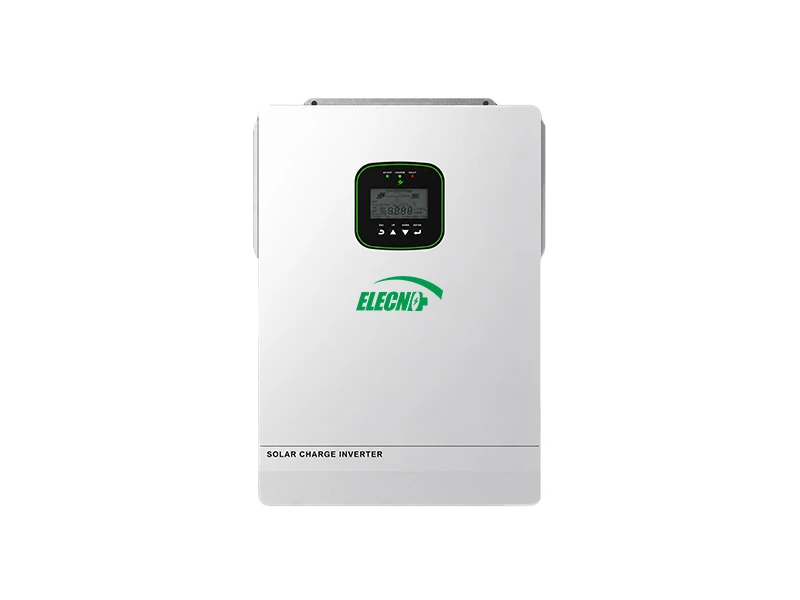 SPI-family inverterReview the SPI model specifications →
 GES-family inverterReview the GES model specifications →
Product photographs illustrate enclosure designs, not model identification or certification. The SPI-family page uses the shared enclosure image previously selected for that product; verify the supplied unit by its exact nameplate and documents.
Request an inverter proposal for your site. Ask for model-specific evidence; a market label is only the beginning of selection.
Sources reviewed October 14, 2026: linked ELECNO specifications, UL Solutions Product iQ information and European Commission CE-marking guidance. No certification file or local grid approval for either example model was independently verified for this article. Confirm current model-specific documents and the local project requirements before ordering.